
Payroll managers experience a specific type of anxiety on the final Thursday of each month. There are deadlines, tax returns, headcount adjustments, and a new hire who hasn’t finished registering somewhere in the middle of it all. ADP Workforce Now has subtly emerged as the system that keeps things together in those situations for an increasing number of mid-size businesses. It’s not glamorous work, but it matters enormously.
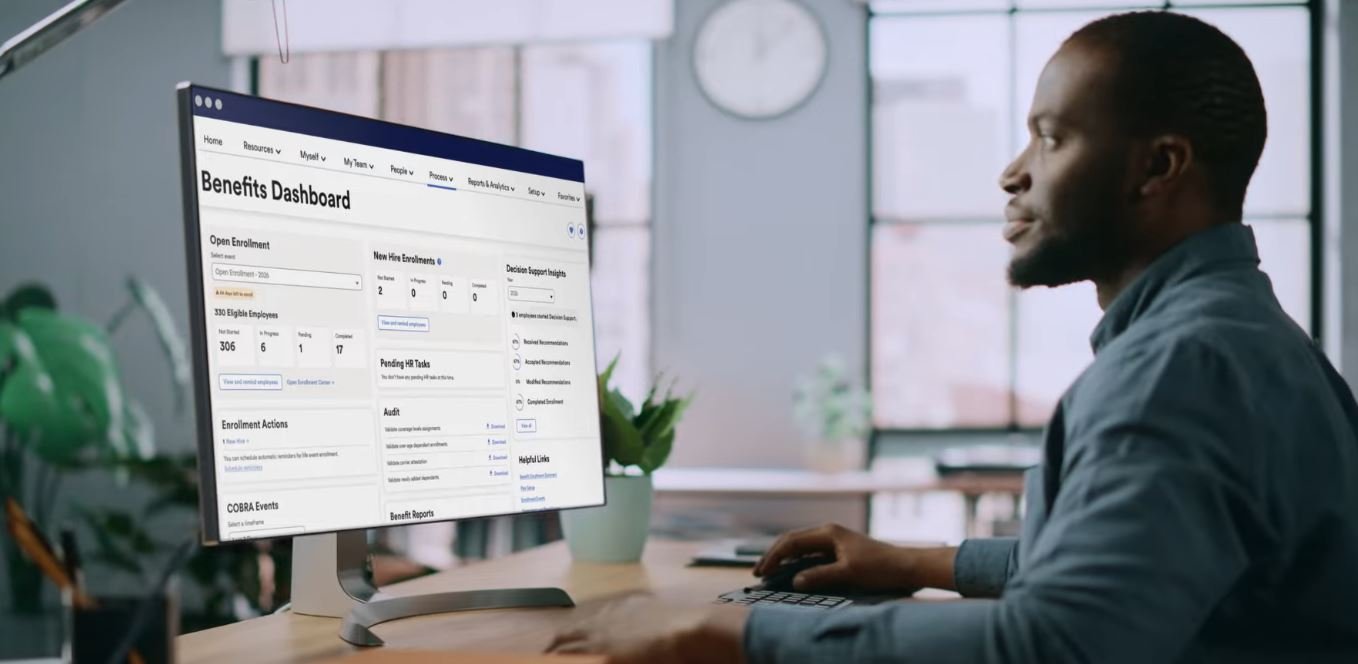
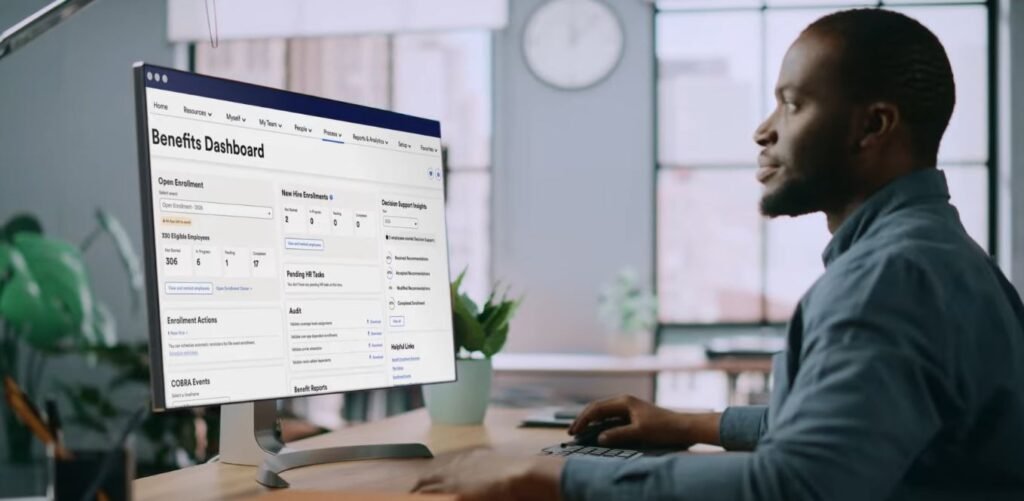
ADP Workforce Now, accessible at workforcenow.adp.com, is a cloud-based human capital management platform built primarily for organizations with 50 or more employees. It pulls together payroll, HR administration, time and attendance, benefits enrollment, talent management, and workforce analytics into a single environment. The pitch is straightforward: instead of juggling three or four disconnected software tools, a company can run its entire people-management operation from one place. The organization’s willingness to invest in setup will determine whether or not that promise is fulfilled.
The portal for logging in is not too complicated. Employees, administrators, and accountants each access separate dashboards tailored to their role. First-time users follow a registration process that starts with a company-issued code, then moves through identity verification, security questions, and an activation step. Compared to most contemporary consumer apps, it is a little more complex, and new users may find it awkward at times. Payroll data is sensitive, and the layered verification is a purposeful security measure rather than an oversight, which explains the friction.
The platform’s AI-powered HR assistant, ADP Assist, is one feature that has generated real interest. It enables users to use simple language queries to find answers to complicated HR questions, pull reports, and search for policies. This type of embedded intelligence may eventually become commonplace in enterprise HR systems. However, as of right now, it still feels like a differentiator—something that indicates the product’s future rather than its current capabilities.
The differences between ADP’s own product lines are important for companies considering their options. RUN Powered by ADP caters to small companies with fewer than 50 workers; it manages the fundamentals neatly and doesn’t overburden smaller teams. With features like multi-country employee tracking, comprehensive compliance reporting, integration with third-party tools, and analytics beyond a basic headcount, ADP Workforce Now is the next step for businesses that require more depth. Sometimes businesses outgrow RUN and must decide whether to switch to Workforce. Now, as operations grow, a shift that may take some time is frequently required.
There’s a common concern that surfaces in HR forums and community discussions — the fear of becoming too dependent on a single vendor. One HR professional posted the worry almost perfectly: putting all your eggs in one basket. It’s a valid reluctance. A service interruption or a contract dispute is more significant when payroll, benefits, time tracking, and talent are all managed by one platform. Although ADP is a big, well-established business with a lot of institutional inertia on its side, the worry is legitimate, and businesses thinking about using the platform should carefully consider their exit options before making a full commitment.
Even so, it’s difficult to ignore how frequently Workforce Now comes up when discussing mid-market HR software. Across the main review sites, user ratings average about 4.4 out of 5, with frequent compliments on the variety of features and complaints about customer service response times. That tension — a powerful product with occasionally frustrating service — is a pattern that follows ADP across many of its enterprise offerings.
Workforcenow.adp.com is essentially invisible infrastructure for the employee who logs in to review a paystub or modify a direct deposit. The information is available, the system functions, and that’s usually sufficient. For the HR administrator managing compliance across multiple states, the stakes are higher and the platform’s depth becomes more apparent. Whether that depth justifies the investment is a calculation every organization has to make on its own terms.
