
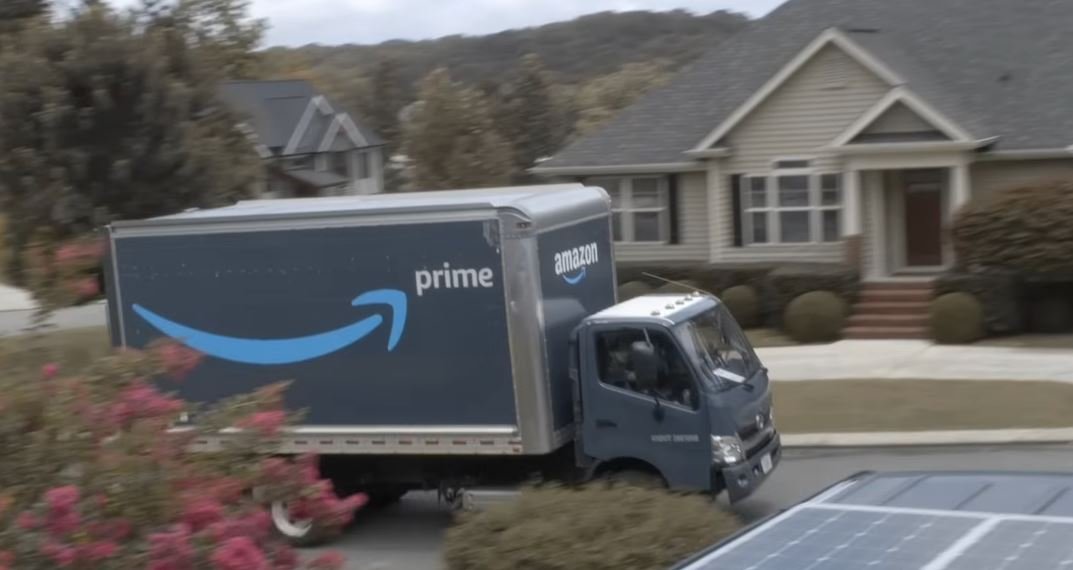
There is something not quite right about how this turned out. Amazon is one of the biggest stores in the world. In September of last year, it stood on the edge of a federal trial and said, one day before the trial started, that neither the company nor its executives had done anything wrong. The next day, it agreed to pay $2.5 billion to end the case.
Amazon was accused by the Federal Trade Commission of using misleading sign-up pages to get people to sign up for Prime and then making the cancellation process really hard to use. The FTC said that almost 40 million customers were affected. Amazon said no. It then paid.
As part of the settlement, Amazon had to pay a $1 billion fine, which was the biggest fine the FTC had ever issued, and set aside another $1.5 billion to give back to customers. That second number is pretty big. It’s said to be the second-biggest amount of money the agency has ever recovered in restitution. The first group of payments, which were automatic refunds, went to people who signed up for Prime but didn’t use it very much between November and December 2025. That part is finished.
The second phase is still open, but becoming less so quickly. People who should have gotten an automatic refund but haven’t yet can still file a claim until July 27. After that date, money that hasn’t been claimed stays lost.
The requirements for eligibility are pretty clear. Anyone who signed up for Prime between June 23, 2019, and June 23, 2025 must be in this phase. They must have also tried to cancel their membership during that time but failed, or they must have signed up through what the settlement papers call a “challenged enrollment flow.” This phrase includes ways to sign up that are built into pages like the shipping options page, the one-page checkout, and the Prime Video sign-up flow. The government thought these pages were intentionally confusing or misleading.
One more rule keeps out a big group of people who would otherwise be eligible: they can’t be in this phase if they used more than 10 Prime benefits in any 12-month period while they were enrolled. That includes things like free shipping, access to Kindle, Prime Video, and Prime Music. There’s a good chance that a lot of regular Prime users won’t qualify because they used their subscription too much after being faked into keeping it.
People who do qualify will get up to $51 back, which is based on how much they paid in membership fees during their time as a member. That much money won’t change your life. It is, however, real money, and the process for getting it isn’t too hard. You can file a claim on the settlement website with either the claim ID and PIN from a settlement notice or just your Amazon account information. By September 2026, payments should be sent out. Depending on what the customer chooses, they may arrive by check, PayPal, or Venmo.
In all of this, it’s hard not to notice how many people who should get refunds certainly won’t. These kinds of deadlines quietly pass while everyone is busy. Getting tens of millions of people to actually fill out a form is still the hardest thing for the customer, but the FTC can get a $2.5 billion settlement. Class action payouts are often not claimed for a reason.
Anyone who had Amazon Prime between 2019 and 2025 should check to see if they are eligible for this offer five minutes before July 27. This is especially important if they ever had trouble finding the “cancel” button.
