
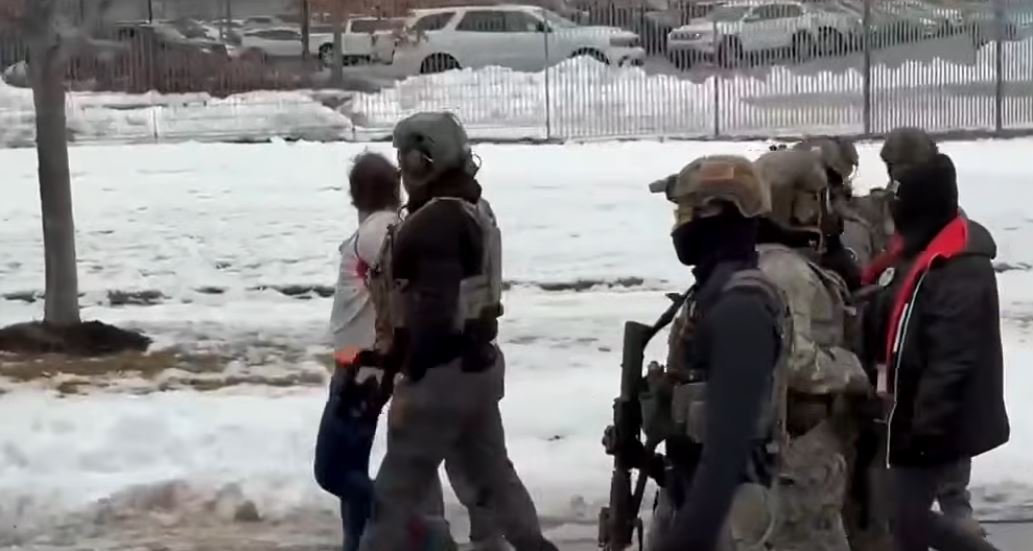
There were still a few hours left for the law. Then a federal judge intervened. U.S. District Judge Robert E. Payne issued a temporary block on the eve of Virginia’s new regulations going into effect, which would have prohibited law enforcement personnel, including federal immigration agents, from donning masks while on duty. The decision came in late, but it was strong. For a brief period, it appeared as though the legislation, which Virginia had drafted in part as a check on ICE operations in the state, might actually stand. It didn’t.
The legal challenge arrived quickly. The Commonwealth of Virginia, Attorney General Jay Jones, and Fairfax Commonwealth’s Attorney Steve Descano were named as defendants in the Department of Justice’s June 11, 2026, complaint. The DOJ made a compelling case: Virginia was trying to regulate the federal government itself, which the Constitution’s Supremacy Clause plainly forbids, rather than merely policing officer behavior. For the time being, Judge Payne concurred. The temporary block was sufficient to prevent the law from ever seeing its first day of enforcement, but a more extensive legal battle is still to come.
To understand why this law was created in the first place, it’s important to take a step back. In response to constituent concerns about immigration enforcement operations in communities throughout the state, Democratic lawmakers in Virginia pushed through legislation that forbade federal officers from hiding their faces during operations and required them to present identification.
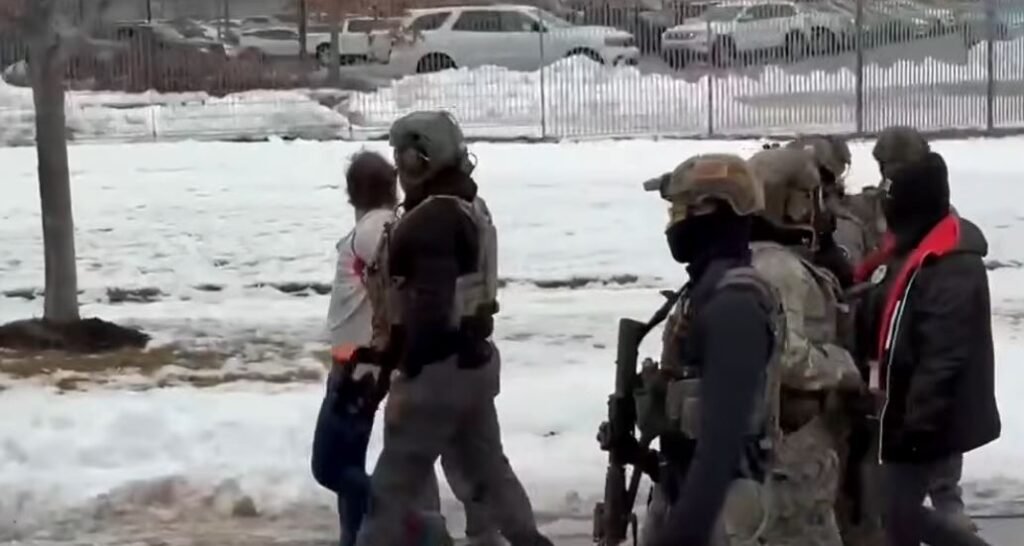
Accountability seemed to be the obvious goal. Concerns about masked agents showing up without warning and lacking identifying markers or badge numbers had been voiced by locals and advocacy organizations. Many residents of the impacted communities perceived that as something more difficult to identify than as law enforcement.
Federal officials had a different perspective, and for good reason. According to the DOJ’s filing, officers and their families have been subjected to an unprecedented wave of harassment, doxing, and even direct threats. It was argued that requiring agents to be visually identifiable in the field does more than just make operations more difficult. It may result in death in certain situations. That’s not a position that’s easy to dismiss, even for those who have real questions about how immigration enforcement is being conducted.
Judge Payne sided with the federal government’s constitutional argument. The Supremacy Clause, he noted, shields federal officers from state criminal prosecution for actions taken within their lawful authority. Virginia can’t pass a law that effectively criminalizes a federal agent for wearing gear deemed necessary for their own safety. A similar fight played out in California not long ago, where an appellate court blocked a comparable identification requirement. Virginia’s law was, in some ways, following a legal path that had already been tested — and rejected.
The Trump administration’s DOJ didn’t treat this as an isolated incident. Acting Attorney General Todd Blanche framed it as part of a broader pattern of state-level obstruction, and the Department had already filed related suits in New Jersey and New York. There’s a clear strategy here: challenge state laws that restrict or complicate federal immigration operations, one courtroom at a time.
What’s harder to resolve is the underlying tension. Both sides have a legitimate concern. There are actual safety requirements for officers working in high-risk situations. There is a genuine need for accountability in communities where enforcement operations are taking place. That conflict was not resolved by the Virginia ice mask restrictions lawsuit, which merely indicated which branch of government has the final say. Washington is the answer for the time being.
It’s genuinely unclear if the larger legal case will alter that. However, the swiftness of the decision and the pattern emerging in several states indicate that the federal government isn’t waiting to find out.
