

John Doe 2 worked at New York-Presbyterian for years without any problems. For ten years, his employer respected the fact that he is a Christian Scientist who has never had a vaccination. Life continued after they granted him an exemption from their internal vaccination regulations. Everything changed when COVID-19 hit, not only for him but also for hundreds of healthcare professionals in New York State who were forced to choose between their religious beliefs and the state government’s decision that religious exemptions were no longer permitted.
The subsequent Kathy Hochul New York vaccine lawsuit, officially known as Doe v. Hochul, proceeded through the federal courts for years before the Supreme Court ultimately declined to hear it on June 29, 2026. In 2023, the mandate was actually repealed. The employees were already unemployed. And now the court that could have provided them with a legal ruling just turned its back on them.
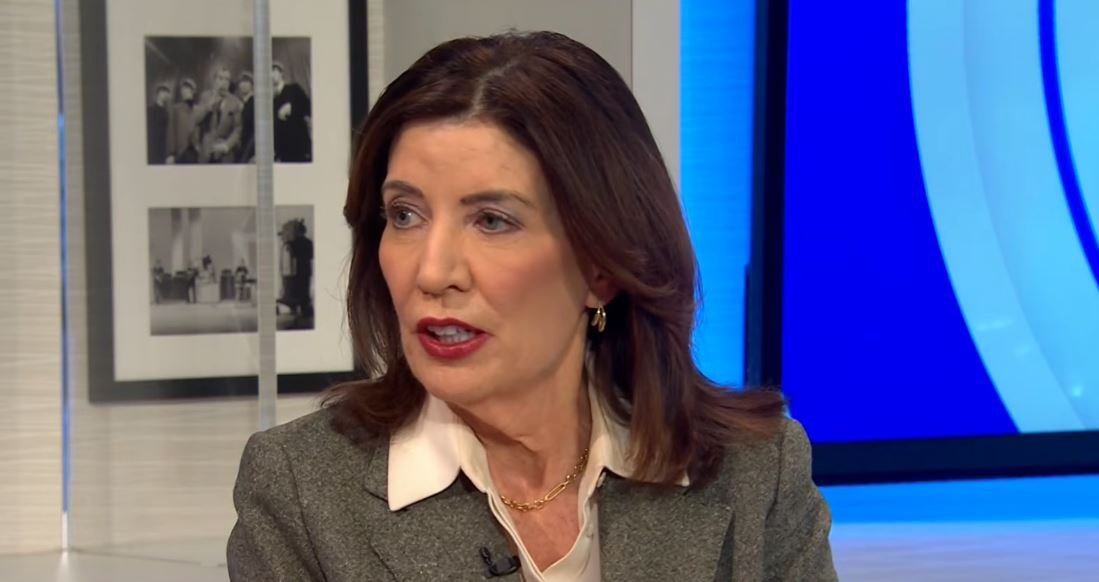
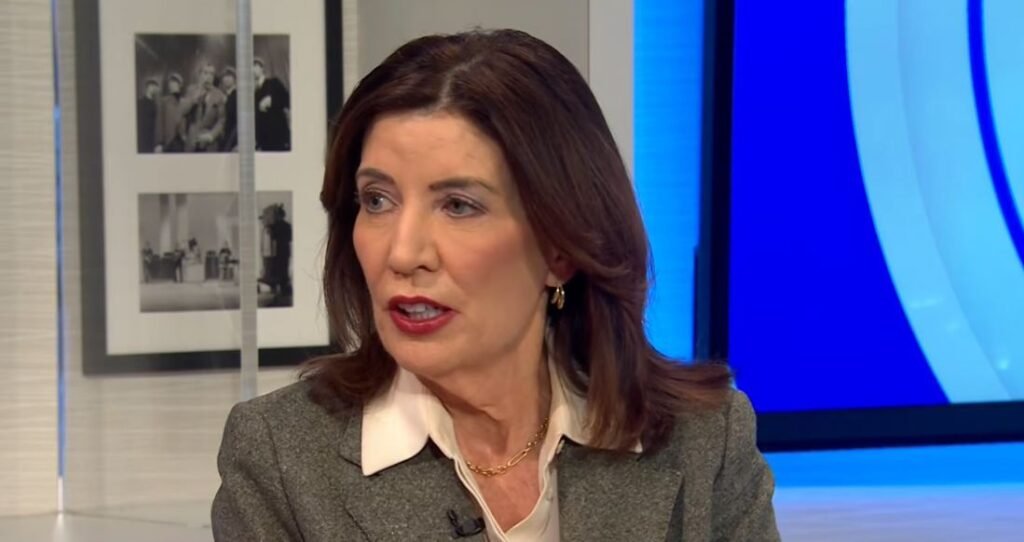
Here, the background is important. In 2021, the Department of Health in New York issued an emergency rule mandating that all licensed healthcare workers receive a complete COVID-19 vaccination. At first, the state offered both religious and medical exemptions. After that, the religious one was removed by Governor Hochul. She allegedly implied that those who refused the vaccine weren’t paying attention to God during a church service in September 2021. The lawsuit that was already developing gained new urgency as a result of that comment, which attracted immediate attention.
The employees who filed the lawsuit, who were not identified in court filings, claimed that Title VII of the Civil Rights Act, which mandates that employers provide religious accommodations unless doing so would cause a significant hardship, was violated by their employers’ refusal to do so. The accommodations they suggested—weekly testing, complete masking, and reassignment away from susceptible patients—were not overly drastic. They were fired after their employers turned down their requests.
The Second Circuit’s justification for upholding those terminations was noteworthy. The court determined that making the accommodations would have required employers to break state law, putting them at risk of fines and possibly losing their operating licenses. As a matter of law, this constituted an undue hardship. That logic is unaffected by the Supreme Court’s decision not to hear the case.
There was a loud disagreement among three justices. In a dissenting opinion, Justice Neil Gorsuch, along with Justices Clarence Thomas and Samuel Alito, criticized what he called a troubling circuit rule: that a state law that forbids an accommodation can automatically provide an employer with an undue hardship defense, even if the state law may be unconstitutional in and of itself. According to Gorsuch’s logic, state governments can essentially nullify federal civil rights protections by enacting a conflicting law. Even though this specific case has been closed, that is a legitimate worry that is unlikely to go away.
It is noteworthy that the federal government filed an amicus brief in which it acknowledged that Title VII preempts state laws that are incompatible, but it maintained that the case was not worthy of the court’s consideration. Recognizing the legal tension while refusing to pursue a resolution is a somewhat awkward position to be in.
Additionally, a circuit split is silently present in the background. The First Circuit’s Title VII arguments were almost exactly the same as those made by healthcare workers in Maine. Whether a state mandate can release an employer from its federal religious accommodation obligations is the legal question raised by these cases, and it is still not significantly resolved.
This conclusion to the case is a sort of solution in and of itself for the workers involved. The mandate has been revoked. The pandemic has subsided. However, the legal principle that could have addressed what happened to them is still unresolved, and the jobs never returned. It’s difficult not to see that as an incomplete result—a loose thread that the courts decided not to pull, rather than a stark injustice.
