
When you realize a machine is scheduling your bathroom break, a certain kind of fatigue sets in. Not a manager or a supervisor, but a system that operates silently in the background and records each departure from a goal that was most likely established by an inexperienced worker.
That feeling has long since ceased to be abstract for transit workers throughout New South Wales. Warehouse employees are instructed on how quickly to move by the headsets. On factory floors, the high-definition cameras were trained. According to a union official, the algorithmic rosters “decide your hours, your pay, and your pace of work.” Think tanks weren’t discussing these speculative futures. The mornings were Tuesdays.
The recent union boom in Sydney’s public transportation industry was noteworthy not only for its scope but also for its timing. At a time when about 38% of workers nationwide already thought the risks of AI would outweigh any benefits, membership numbers increased. That represents a sizable portion of the workforce bringing genuine anxiety to a system that has been sluggish to react. Nearly half, or 49%, of the 1,500 NSW workers surveyed by Redbridge said they had little to no control over the introduction of AI and digital systems at work. One of two things usually happens when someone feels excluded: either they break or they are forced into a room together. It forced them into a room together in Sydney.
The subsequent concessions weren’t broad legislative successes. These were the more subdued kind: restrictions on how automated systems could affect scheduling, transparency pledges regarding algorithmic decision-making, and consultation requirements prior to the deployment of new surveillance tools. That sounds modest to some observers. However, the change in tone was more important than any particular clause for employees who had been effectively informed that the machine’s decision was final.
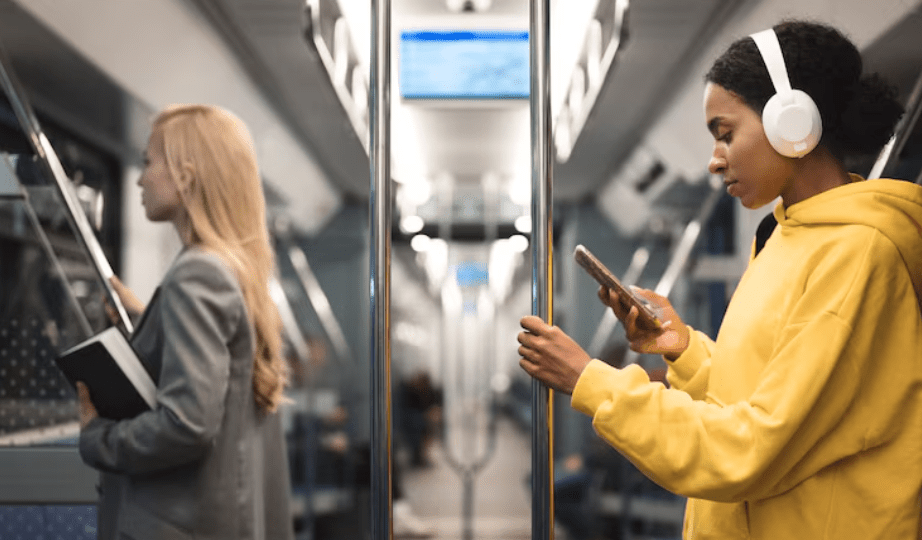
As this develops, it seems as though the transit industry has become a visible test case for something much bigger. Navigation algorithms are pushing rideshare drivers into illegal maneuvers. Smart wristbands that monitor every physical movement are worn by Amazon employees. Employees at Woolworths warehouses are competing against time goals set by their headsets, which feel intentionally just a little bit unachievable. The dispute over public transportation wasn’t isolated; rather, it was part of a larger trend that employees from various industries had been experiencing.
Unions in Sydney appeared to realize—possibly more clearly than in earlier cycles—that the argument isn’t against technology per se. In theory, the majority of workers are not against automation. The issue is more focused and limited: who gains when a system accelerates work, and who bears the expense when it makes mistakes? There is no manager to argue with or policy to cite when an algorithm refuses someone a rest period. According to Mark Morey of Unions NSW, there is just no accountability. The organizing drove into that gap.
According to a survey, seven out of ten NSW employees favored stricter regulation of AI in the workplace rather than its complete elimination. Whether that level of widespread public support results in long-lasting political will is still up for debate. Tech-driven management techniques typically develop more quickly than the industrial relations frameworks designed to regulate them, and governments move slowly on these issues. However, transit workers in Sydney did not wait for a comprehensive national framework. They focused on what was right in front of them, advocated for particular changes, and succeeded in getting some of them.
It’s difficult to ignore the fact that the victories resulted from the more gradual process of quietly increasing membership numbers over several months, until the weight of participation was sufficient to force a discussion, rather than from a dramatic confrontation. That is an older type of labor narrative presented in a completely different setting. The surveillance was contemporary. In many respects, the answer wasn’t.
There are still unanswered questions about whether the concessions will last, grow, and be noticed by other transit systems. However, the computation changed in some way. Despite being timed, monitored, and scheduled by unquestionable systems, workers managed to ask questions.
