
Your phone hits 8%. Maybe you’re at a red light, maybe you’re standing outside a restaurant waiting on an order. Either way, there’s a version of this story where the app you’re staring at already knows something about you that’s quietly shaping what you earn, or what you pay. That idea sounds almost conspiratorial — until you realize the evidence for it has been sitting in plain sight for years.
Delivery platforms like DoorDash, Uber Eats, and Deliveroo have built some of the most sophisticated pricing and dispatch systems in the world. What they share publicly about how those systems work could fit on a napkin. In reality, they monitor dozens of behavioral and device-level signals, including location, order history, time of day, and even device type. Battery level is also on that list, according to reports that first appeared as early as 2016.
At the time, Uber’s head of economic research admitted that the company had noticed that customers are more inclined to pay surge pricing when their phone battery is low. The business maintained that it wasn’t setting prices based on that data. However, the acknowledgement that they were gathering and analyzing it was sufficient to cause people to pause and consider the precise boundary between researching behavior and making money off of it.
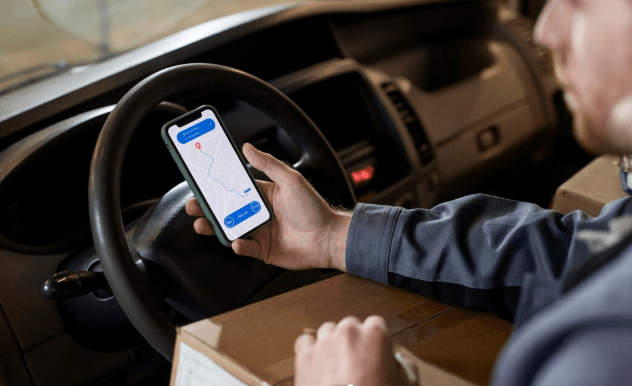
The dynamics are different but no less awkward for couriers. It may seem like a consumer issue to modify pay algorithms based on battery life, but the same reasoning holds true in a system where drivers are also staring at the same app and waiting for offers that vanish in a matter of seconds. Urgency influences choices. A low battery indicates urgency. Algorithms penalize hesitation and reward compliance and speed. The convergence of those forces is easy to understand.
After working as a gig courier for a few months, as some researchers and journalists have done, a picture of slow, grinding pressure rather than dramatic exploitation becomes apparent. Offers appear without enough information to evaluate properly. Acceptance rates are monitored; if they fall too frequently, offers will either slow down or cease to come in. In late 2024, a researcher who worked sporadic shifts put it simply: there was only a screen and the knowledge that the algorithm was watching, no one to ask, and no rulebook to read.
Deliveroo calls its algorithm “Frank,” which is either charming or slightly unnerving depending on your mood. The company describes it as a machine-learning system designed to predict order timings and help riders make more deliveries. That framing is interesting — the algorithm is positioned as something that helps couriers, not something that manages them. The relationship would likely be described differently by most couriers who have actually spent time with it.
Pressure on these platforms is growing. In early 2025, a coalition including the TUC, Amnesty International, and Privacy International sent an open letter to the UK’s major delivery companies demanding greater transparency about how algorithms determine pay, job allocation, and deactivation. Colorado enacted a law mandating ride-sharing services to disclose the precise circumstances that result in a driver’s suspension. Uber responded by filing a legal challenge, arguing the law infringes on free speech. How that works out and whether other states take Colorado’s lead are still unknown.
The efficiency, speed, and convenience of the gig economy—such as the ability to order dinner in fifteen minutes—seem to be based on an algorithmic management layer that most employees and customers are never fully aware of. The general point remains true whether battery level is a live variable in courier pay today or if it’s just one of many variables being discreetly A/B tested. These systems are designed with the platform’s best interests in mind. Everything else — courier earnings, courier wellbeing, courier autonomy — fits in around that priority.
Observing all of this gives the impression that technology isn’t the main issue. Software for routing saves time. Demand forecasting minimizes waste. However, an algorithm created without accountability or transparency is more than just an impartial efficiency tool. Few people, including occasionally the businesses that oversee it, fully comprehend this management system, which was not elected.
