
Recruiting departments in the Bay Area are currently experiencing a specific type of anxiety that manifests itself in Slack channels and conversations in the hallway rather than in press releases. A lawsuit alleging that Workday’s AI hiring software excluded candidates on the basis of race, age, and disability was recently decided by a federal judge in San Francisco. That decision is a warning shot for a sector that has been covertly delegating an increasing number of hiring decisions to algorithms over the past few years.
Mobley v. Workday is not a particularly recent case. Since 2023, it has been going through the legal system. However, Workday’s claim that California’s anti-discrimination laws shouldn’t apply when the software screens applicants from outside the state was rejected in Judge Rita Lin’s most recent ruling. That’s a significant detail because it exposes a flaw in the defense that the majority of AI vendors have been using, which is that they only create the tool and that hiring and firing decisions are made by the employer.
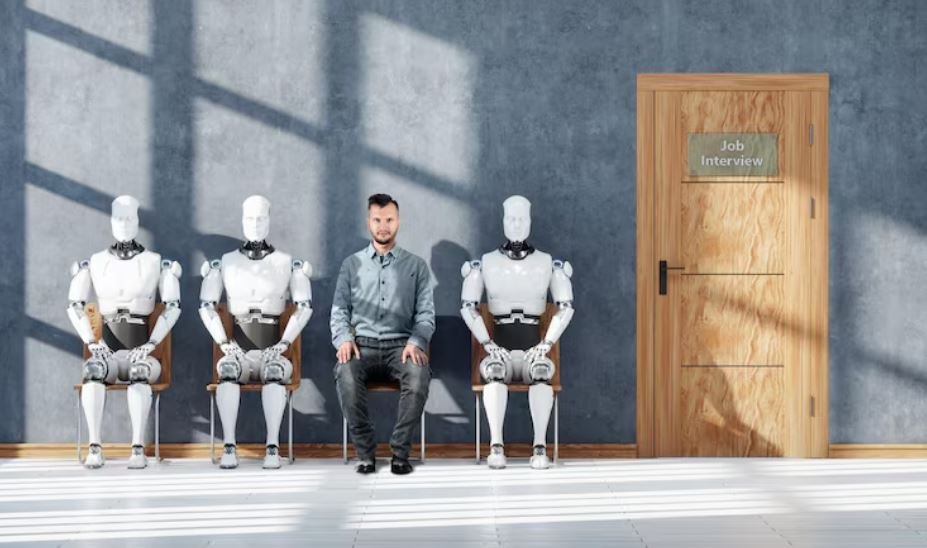
It is worthwhile to consider the practical implications of that. Before a human ever looks at a resume, nearly all Fortune 500 companies and more than four out of five American employers now put job applicants through some sort of automated screening layer. Due in part to the sheer volume of applications, which makes manual review nearly impossible, recruiters in Silicon Valley have built entire workflows around these systems. For those whose jobs depend on that infrastructure functioning properly, seeing it suddenly appear legally dubious is unsettling.
The target is what distinguishes the Workday case from previous discrimination cases. Mobley is not suing the businesses that turned him down. He is suing the software vendor directly, claiming that things like employment gaps were identified by Workday’s algorithm as a sort of stand-in for illness or disability. Along with accusations involving women, workers over 40, and Black applicants, the judge allowed that claim to proceed. Although it was mostly based on procedural issues rather than the merits, she did reject a claim pertaining to Asian American applicants.
Add the timing to that. By designating any AI system used in hiring decisions as “high-risk,” Colorado’s AI Act, which goes into effect at the end of this month, imposes new disclosure requirements that most businesses haven’t yet developed. Under the CCPA, California has already developed its own automated decision-making regulations. One state and one decision at a time, it’s beginning to feel less like a singular court drama and more like a pattern.
One could argue that this was inevitable. Researchers studying algorithmic bias have long cautioned that, even when no one intended it, systems trained on past hiring data frequently reproduce the injustices ingrained in that data. A career gap can be subtly interpreted as a warning sign by a model in the same way that it might be by a biased human reviewer. However, the model does this instantly, at scale, across thousands of applications, and no one is asked why.
For its part, Workday maintains that its tools “do not make hiring decisions” and solely consider qualifications rather than protected characteristics. That might endure. Discovery hasn’t even begun, and the remaining claims are still merely accusations rather than conclusive evidence.
However, the story here is the uncertainty itself. Recruiters are unsure if the tools they use on a daily basis are going to become a liability or if this will settle amicably, as is the case with many tech lawsuits. In any case, this is no longer considered background noise by HR.
