
The state of American infrastructure today is almost paradoxical. Bridges, highways, and airports are not currently the nation’s largest, most costly, and most technically challenging construction projects. They are enormous, humming structures called data centers that are intended to power artificial intelligence, and they are expanding more quickly than anyone, even those who are meant to insure them, could have predicted.
You can get an idea of the scale by passing a hyperscale campus that is being built in Texas or Arizona. These structures are not modest. The infrastructure is truly complicated, with subterranean fiber conduits, cooling towers, and transformer yards. And the schedules for construction? hostile. Depending on who you ask, it might be too aggressive.
Underwriters are particularly concerned about that pace. The exposure points increase when large, technically complex projects are constructed rapidly and layers of subcontractors handle specialized work, such as power infrastructure, cooling systems, and racking installations. When the project is worth a billion dollars and the client is expecting the lights to turn on by a certain date, a relatively small mistake in a geotechnical study or drainage design does not remain minor for long. People in the professional liability market have quietly begun to recognize that the resulting claims can be enormous.
This insurance problem goes beyond simple construction risk. The environmental, cyber, and property risks surrounding data centers have been thoroughly examined for many years. However, professional liability—the risk of mistakes and omissions associated with contractors, architects, engineers, and their subcontractors—has not been given the same attention. That gap is becoming harder to ignore.
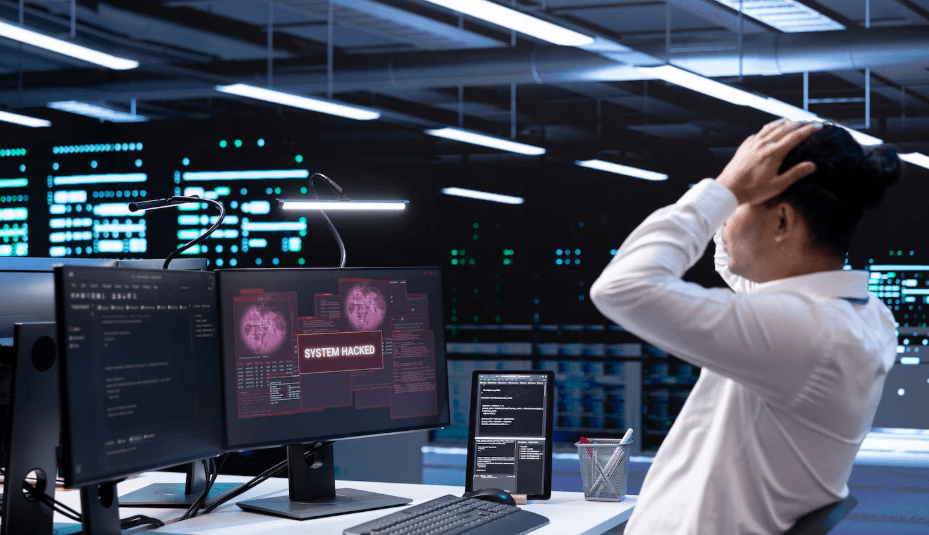
Owners’ protective professional indemnity coverage, known as OPPI, has grown significantly in demand as a result. The logic is fairly straightforward: the subcontractors and lead designers on these projects carry insurance, but the limits they bring to the table are rarely proportionate to what the project actually costs. If something goes wrong and the underlying insurance is exhausted or proves inadequate, the owner is exposed. OPPI sits above that layer and provides an added cushion — but its growing demand is itself a signal that the industry recognizes the gap exists.
Investment managers developing data centers through real estate vehicles are facing a separate but related set of pressures. The pace of capital flowing into this space has been extraordinary, and penciling out long-term returns is genuinely difficult when the technology and demand landscape shifts as quickly as it does. That uncertainty creates its own liability exposure — around valuation, disclosure, due diligence. Allegations of misrepresentation or breach of fiduciary duty are not hypothetical risks. They follow closely wherever large amounts of money move quickly into complicated, fast-evolving projects.
Directors and officers are also facing growing scrutiny, and not only from investors. Data centers consume enormous amounts of water and electricity. In smaller communities where these facilities are increasingly being built — beyond the traditional hubs of Georgia and Arizona — local governments and residents are paying close attention. There is already public skepticism about AI and its effect on employment. Executives who are unable to show clear, justifiable decision-making regarding these matters are subjecting their organizations to a specific type of regulatory and reputational risk that is still poorly understood.
In response, underwriting practices are changing. The market for professional lines was reasonably accommodating six months ago. These days, carriers are posing more challenging queries regarding project location, water consumption, power sourcing, and permitting status. To make coverage intent more clear, some are introducing endorsements. Others are using sub-limits or exclusions related to regulatory investigations, defective workmanship, and losses resulting from delays. Whether this is a true market correction or a more cautious temporary stance until things settle is still up for debate. However, the direction of travel is apparent.
It appears that the insurance frameworks designed to support AI have not kept up with the rapid growth of AI infrastructure. This is not uncommon; new construction categories and industries frequently outpace the markets intended to safeguard them. However, the stakes are high enough that brokers, owners, and subcontractors—who might not fully understand the exposure they bring to these job sites every morning—should give the gap careful consideration.
