


In Bryan, Texas, drive down East 29th Street past the feed stores and strip malls until you come to a low, unimpressive brick building. There is no glass atrium or ostentatious signage. It’s just a parking lot that fills up early on most weekday mornings, mostly with people in need of something specific, like a job, a benefits check, or a way to start over after losing one.
One of the busiest outposts in the Texas Workforce Commission’s statewide network, Workforce Solutions Brazos Valley, is housed in that building. Driving by it without giving it a second look is simple. However, it has evolved into something more akin to a lifeline for many people in this region of Central Texas.
A portion of the story is revealed by the numbers. According to the commission’s own statistics, Texas added over 17,000 jobs in May, and the state’s labor market has remained largely stable throughout the spring. A combination of manufacturing, agriculture, and the constant pull of neighboring College Station have all contributed to Bryan and the surrounding Brazos Valley region riding that wave. This isn’t a boomtown tale. It’s quieter than that, more akin to a steady, slow churn.
The office itself has had to change a lot, which is interesting. These days, it’s not just unemployment claims. Hiring events, such as the recent Odin Heavy Industries job fair, are now held nearly every week, in addition to youth opportunity programs funded by WIOA that aim to prevent adolescents from slipping through the cracks after high school. The agency seems to have subtly shifted from being a place where people go when things go wrong to one where they go to make plans.
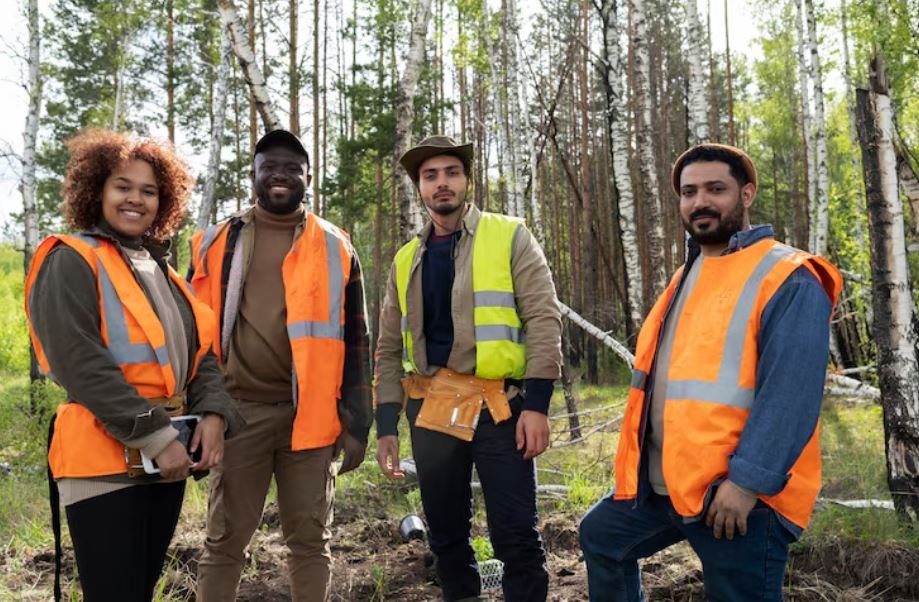
Everyone who has actually entered those doors will tell you something similar: it’s not glamorous, but it works. Employees assist individuals with resumes, direct them to training reimbursement programs, and guide them through WorkInTexas.com, the state’s job-matching platform, which is still a little cumbersome when compared to private-sector options but completes the task. It’s reasonable to wonder if that’s sufficient in a time of AI-powered hiring tools and algorithmic resume screening. The ability of public workforce systems to adapt to the rapid changes in the demands of private employers remains uncertain.
All of this has a tax component as well, which is rarely discussed. Located a few miles away on East 29th, close to another strip development, the Bryan tax office of the Texas Workforce Commission manages local employers’ wage reporting and unemployment tax accounts. The benefits side just doesn’t work without it, even though it’s unglamorous bureaucratic plumbing.
Observing this from the outside, it’s striking how much of the work is done quietly. No ribbon-cutting events or press conferences. Just a constant flow of training grants, job fairs, and child care referrals via childcare programs.twc.texas.gov, intended for parents who are juggling work and raising young children.
Bryan is neither Dallas nor Austin. It doesn’t make the news. However, the workforce infrastructure developed here, which is a combination of state agencies, nonprofit partnerships, and traditional community networks, appears to be accomplishing something that many larger systems find difficult: reaching the people who need it. The question that no one can yet answer is whether that will hold up as the local economy continues to change.
