

Bob Vylan just took the kind of step that most artists threaten and few actually follow through on. Last Friday, the British punk-rap duo announced they were suing the BBC for defamation — a move that transforms what started as a controversial festival moment into a serious legal confrontation between two very different ideas of who gets to define what someone said, and what it meant.
It started at Glastonbury 2025. On the West Holts Stage, frontman Bobby Vylan led the audience in chants of “Free, free Palestine” and “Death, death to the IDF.” The BBC, which was livestreaming the set, later confirmed the performance would not be made available on demand. It described the chants as “antisemitic sentiments” that were “utterly unacceptable.” According to festival organizers, they were “appalled.” The police launched an investigation — one that was eventually dropped.
The term “antisemitic” was the issue for Bob Vylan. The band has always maintained a distinction between denouncing a state’s military and showing animosity toward Jews. They now care about that distinction and want a court to take it seriously. They claimed in their own statement that the BBC had put “labels upon us that did not, do not and never will fit.” I get the feeling from reading their words that this is more than a single broadcast; it’s about being widely misrepresented by a reputable organization that millions of people depend on.
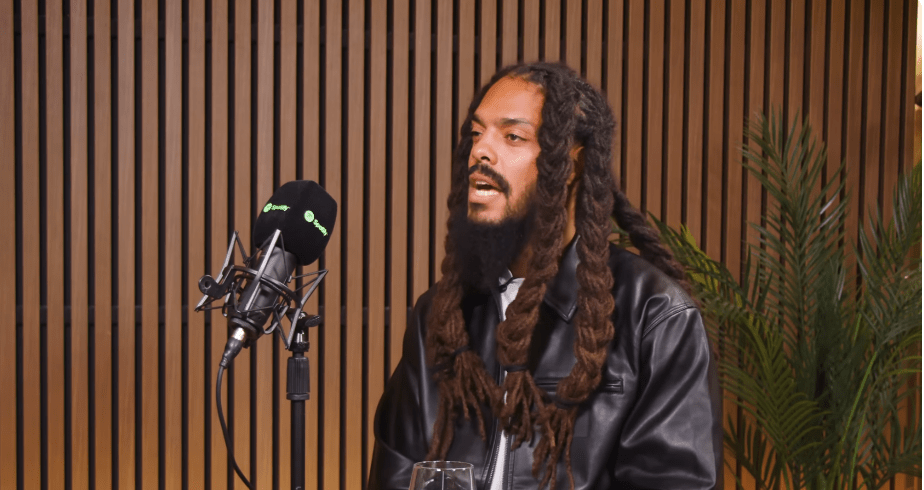
The Dublin High Court has received separate cases from Pascal Robinson-Foster and Laurence George Wade, who are both represented by Belfast lawyer Darragh Mackin of Phoenix Law. Filing in Ireland rather than England is a deliberate legal strategy. This tactic had already been successfully tested by the band; earlier legal actions against the Irish state broadcaster, RTÉ, led to an apology. Irish law governs broadcast material that is seen by Irish audiences. Because of that precedent, their legal team most likely felt confident enough to escalate.
The BBC has a substantial legal operation and has previously defended its editorial decisions, though its precise response is still unknown. What’s harder to defend, perhaps, is the broader pattern Bob Vylan points to — the editing of BAFTA coverage that removed mentions of Palestine while allowing other content to air, and the decision not to broadcast a Gaza documentary that later won a BAFTA in the Current Affairs category. Regardless of whether these individual decisions amount to a coordinated editorial position, Bob Vylan’s legal team will most likely try to use this context.
There’s something worth watching in how the group has framed this publicly. They didn’t sound like victims in their statement. They sounded, oddly, like they were enjoying themselves. “We take great pleasure in serving them that reminder in court,” they replied. Whether that confidence is real or fake, the case feels different. This band isn’t begging for sympathy. It is a band that applies pressure.
A case that will be closely watched outside of the music industry includes the police investigation that was abandoned, the festival reservations that disappeared after Glastonbury, and the public debate over the line between incitement and political expression. When it comes to international audiences, live events, and broadcasters, defamation law is very complicated. What gets said in the moment and how it gets described afterward aren’t always the same thing. Bob Vylan is betting that there is enough of a difference between those two things to win in court.
Whether they’re right remains to be seen. However, it’s difficult to ignore the fact that the discussion has already changed from what transpired on a Glastonbury stage to what the BBC said about it afterwards.
