
The federal process of unionizing a warehouse has never been lenient. When nearly 1,800 workers in Bessemer, Alabama, voted against creating Amazon’s first union in 2021 and only 738 voted in favor, they had to learn that lesson the hard way. A year later, under Chris Smalls, Staten Island’s JFK8 made history by becoming the nation’s first Amazon warehouse to successfully organize. However, that triumph hasn’t resulted in a contract after more than two years. The National Labor Relations Board continued to work through it at its own pace while Amazon continued to make appeals and stall.
Many organizers have decided to work at the statehouse instead of waiting on Washington because of this pattern: a union wins the vote, then loses years to litigation. To increase pressure beneath federal labor law, rather than to completely replace it. If a worker in a warehouse in New York or California is unable to expedite a union election, perhaps they can at least compel the employer to reveal its quotas, address injury rates, or cease penalizing someone for using the restroom.
That is essentially the idea behind New York’s Warehouse Worker Protection Act, which mandated that large distribution centers develop formal injury reduction programs and disclose work-speed data by the middle of 2025. A similar law was previously passed in California. In 2023, Washington became the third state to do so, as Teamsters organizers there quickly noted. Notably, this state is home to Amazon’s headquarters.
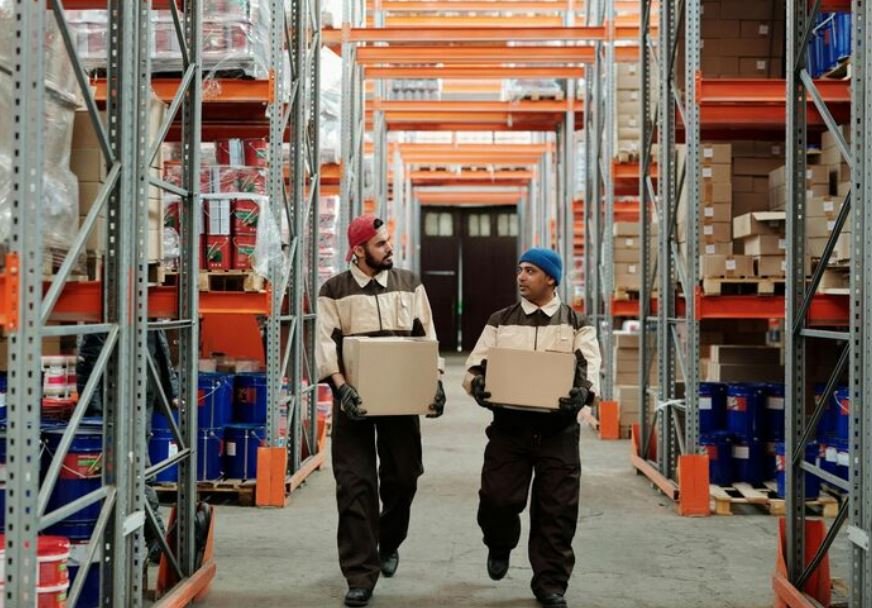
Employers in Washington are required by law to inform employees about quotas, the penalties for exceeding them, and the time allotted for breaks and restroom access. No one is granted a union by any of these laws. They undermine the conditions that make working in a warehouse seem intolerable, which, according to organizers, is frequently what motivates people to sign a union card in the first place. HR Dive In addition to the quota battles, there is a more general change taking place. In 2022, Illinois voters approved a constitutional amendment that guaranteed collective bargaining rights and completely prohibited right-to-work legislation.
This type of legal floor is difficult for a future legislature to erode. In 2024, Michigan reversed course and repealed its right-to-work law, making it the first state to do so in almost sixty years. Perhaps minor actions against a business valued at more than $2 trillion. However, because they are more difficult to overturn, they add up differently than a single NLRB vote.
The events at ALB1 in Schodack, New York, where organizers like Heather Goodall pushed for a union after Rafael Reynaldo Mota Frias died of a heart attack on the warehouse floor—reportedly after complaining of chest pain for almost an hour before anyone called for help—remain unchanged. It’s difficult to ignore how frequently these campaigns begin with a near-miss or a death rather than a pay figure. That is not resolved by the state laws alone. Compared to a union contract, they are quieter, slower, and more easily weakened.
Nonetheless, labor organizers believe that the patchwork is functioning, albeit grindingly. Congress has repeatedly reintroduced a bipartisan federal version of the Warehouse Worker Protection Act, but it has not advanced very far. The states didn’t hold off. In a dozen statehouses that the majority of warehouse workers will never visit, the question of whether that adds up to actual bargaining power or just better paperwork is genuinely still up for debate.
