
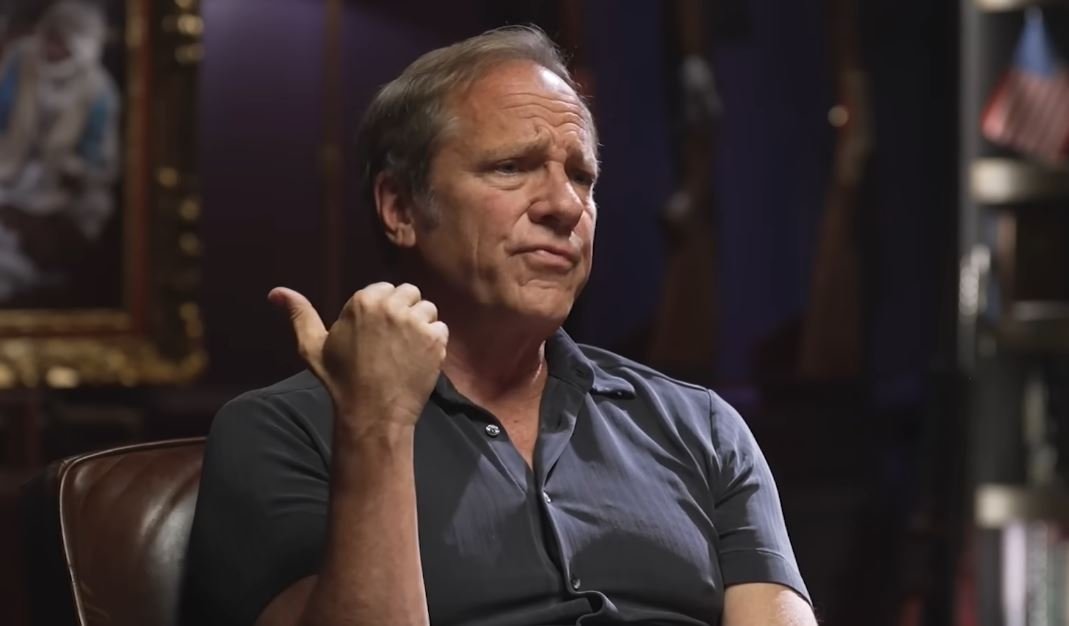
For twenty years, Mike Rowe has provided his voice to some of the most well-known shows on cable television. He is responsible for the gravelly narration on “Deadliest Catch,” which made Alaskan crab fishing seem genuinely dangerous and worthwhile. Apparently, so does a $2 million disagreement with the network that brought him fame.
On July 1, 2026, Rowe and his production company, Lab Rat, filed a lawsuit against Discovery Talent Services, claiming that the company had broken a contract by not paying him for at least 51 episodes of “Deadliest Catch” and several of its spinoff series. The claim is based on a “pay-or-play” deal that the two parties allegedly came to in 2020, according to which Rowe would receive $40,000 for each episode regardless of whether his voice was used or not.
In the entertainment sector, such arrangements are common. It basically ensures the availability and exclusivity of a talent. The concept is straightforward: the network still owes the contracted talent their fee even if they decide to change course on any particular episode. The lawsuit claims that Discovery declined to pay Rowe in accordance with the terms of the agreement after deciding to create spinoffs and international versions of the series without hiring him at all.
“Deadliest Catch: Bloodline,” “Deadliest Catch: The Viking Returns,” and “Deadliest Catch: Northern Edge,” a series that won’t debut until 2027, are among the spinoffs in question. Additionally, Rowe’s team asserts that the foreign adaptations of the original series were “materially different” from the domestic broadcasts; they contend that these differences were sufficient to qualify as originally produced episodes and fall under the purview of the pay-or-play agreement.
It’s a multi-layered argument, and the actual wording of that 2020 contract will probably determine whether a court agrees. The most positive interpretation of an agreement is frequently presented in legal complaints, and Discovery has only declined to respond to the particular accusations in a public statement. However, it’s important to remember that Rowe has previously been involved in legal action with the same business. He filed a separate lawsuit in June 2025 regarding streaming residuals that he says were never paid after “Deadliest Catch” was licensed to DirecTV and YouTube TV. A representative for Discovery stated at the time that the company had “fulfilled our contractual obligations for royalty payments” and would fight the allegations.
The same talent has filed two lawsuits in less than a year, which raises concerns about the relationship rather than any misconduct on either side. “Deadliest Catch” has been narrated by Rowe since 2005. That equates to more than two decades of labor devoted to a single franchise. There’s a feeling that the unofficial goodwill that frequently keeps long-term creative partnerships going ceased to be sufficient to resolve conflicts at some point.
The Discovery series “Dirty Jobs,” which ran from 2005 to 2012 and made a brief comeback for two seasons in 2022 and 2023, is likely where Rowe is most well-known to the general public. He won a Daytime Emmy in 2020 and a Critics Choice Award in 2011 for the program. His public persona has been centered on the dignity of skilled labor; ironically, this message has now led him to a legal battle over whether or not he received just compensation for his own labor.
Including interest and possible payments for 12 extended-length episodes, the total claim is at least $2.04 million. Lab Rat and Rowe are requesting a jury trial. The speed at which the case will proceed and the possibility of a settlement between the parties before it reaches that stage are unknown. However, the situation raises legitimate concerns about how networks handle long-term talent relationships and whether a handshake understanding that works in year one still holds up in year twenty for a franchise that has aired for more than 20 seasons.
