
On the east side of Vancouver, there is an art gallery with a barbershop that probably doesn’t need to be there. Set dresser Stacy Lundeen opened it because the work was done after ten years of making superhero TV shows look good. The show he had been on for years took a break, there were strikes, and by the summer, he had no more money coming in. He cut hair. He also made art. He had a pop-up art gallery. He talked about it himself: “several irons and several fires.”
I can still remember that picture. In particular, not because it’s sad. Lundeen is smart and cunning. That is, because it has become so common.
Vancouver’s film and TV industry, which has been known for a long time as “Hollywood North,” is going through one of its worst times in recent memory. During the 2023 strikes in Hollywood, work stopped all over the city. It wasn’t a clean rebound that came next; it was a slow bleed. AI is putting pressure on work in animation and visual effects, there is more competition around the world for tax breaks, streaming platforms are pulling back, and studios are being careful. By 2025, there were about a third fewer jobs for VFX and 3D artists than the previous year. Some legendary post-production houses have shut down. Nelvana, the company that made your childhood memorable with shows like “The Care Bears” and “Arthur,” stopped making movies. A seasoned worker in the field said it was the worst slowdown since 2008.
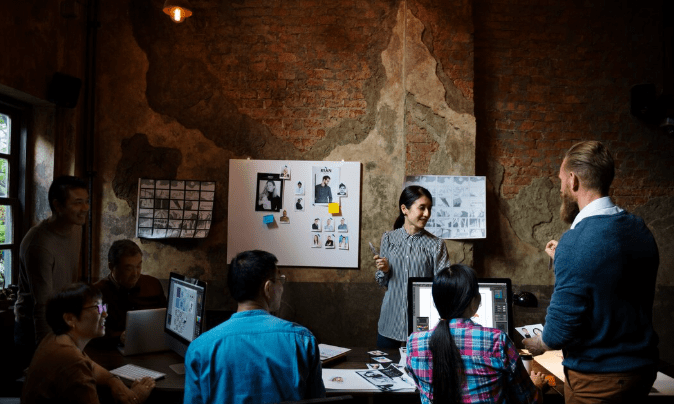
Vancouver’s problems aren’t just limited to the movie business. What happens when technology, consolidation, economic uncertainty, and employers who know they can get away with less all put pressure on creative work at the same time? This is a good early look at what can happen.
In Vancouver’s animation and VFX industry, the rule for years was to show up, be good, and agree to the terms. The contracts were based on projects. Between gigs, benefits went away. It wasn’t always paid for overtime. Workers were often told in a roundabout way that if they fought back, the job could be sent somewhere cheaper. And a lot of people believed that for a long time. After all, the business was doing very well.
Maybe it’s not just the economy that changed, but also the way people think. When animators at Titmouse voted 97.6% in favor of a collective agreement and then workers at WildBrain did the same, it seemed like something had changed. People who had believed for years that this was the way the business world worked began to wonder if it really had to be that way. Part of their campaign to organize was based on a simple fact: American animators who had been in unions for decades were making a lot more money for doing the same work. The gap didn’t make sense. It was about structure.
All of this is tense because of the AI question. It’s hard to say how fast it moves or how many jobs it actually replaces or changes. Protecting workers by making sure they know when AI is used on their projects and that their credits aren’t quietly changed is something that some people in the industry talk about cautiously. Some people want a complete ban. It seems like the rules that are written now will be very important, and not just for animation. Every creative field is feeling the same amount of pressure.
This fits into a bigger pattern that’s hard to miss. The same forces that are squeezing film work in Vancouver—automation getting rid of entry-level jobs, platforms consolidating power, project-based contracts taking the place of stable jobs, and workers working extra hours to stay afloat—can also be seen in journalism, publishing, design, and music production. There has always been some risk in creative jobs. The floor has gone down.
B.C.’s Film Commissioner cautiously called 2025 a “difficult year,” but he said he hoped 2026 would be better. There were more tax credits. Some productions that were behind schedule are now getting moving. There is reason to be hopeful, and it might even turn out to be right. As I watch this happen, I can’t help but think that a rise in production numbers doesn’t always mean a return to stability for the people who do the work. Things could get busier in the field. The jobs inside it may still feel risky.
When Lundeen was back in his gallery with his scissors and canvases, he probably knew this before most economists wrote it down in a report. Making art has never been a straight line. People used to think that the line would mostly go up if they were good enough and worked hard enough. It’s getting harder to hold on to that idea, both in Vancouver and elsewhere.
