
The way China has begun managing jobs and artificial intelligence is subtly unsettling. Not frightening enough to make headlines. It’s more akin to something you gradually notice in the background before noticing significant changes.
China’s State Council declared late last month that it would set up a national survey system to monitor how AI creates and destroys jobs nationwide. Additionally, the government indicated that it would use the technology to support industries with hazardous working conditions or persistent labor shortages, draft new labor laws pertaining to AI, and push platform companies toward algorithm transparency. These are not ambiguous promises tucked away in policy documents. They are included in the nation’s five-year plan, which is as official as it gets for anyone who knows how Beijing operates.
Courts in Hangzhou and Beijing have already ruled against companies that dismissed workers specifically because AI could do their jobs. One tech firm found that out the hard way in April. It’s still unclear how far those precedents will go through the legal system, but as early as last summer, Chinese Vice Premier He Lifeng reportedly began questioning big employers like banks, automakers, and tech companies about how AI might change their workforces. Some of those businesses discreetly acknowledged that implementing AI fully might eventually result in the elimination of at least 30% of current positions. If the right people in government heard that number, it appears to have carried some weight.
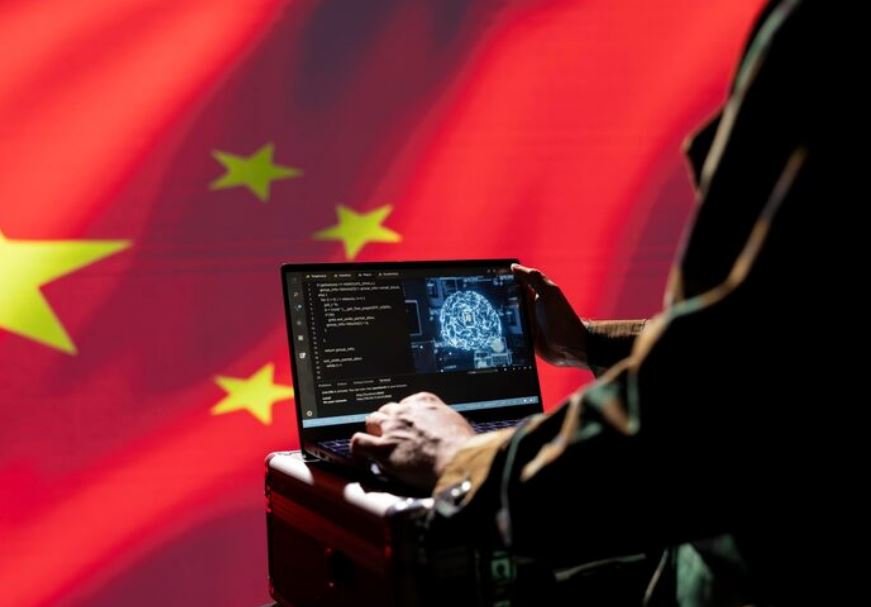
China’s strategy differs from the European Union’s AI Act in that it is not primarily concerned with controlling how AI makes decisions. The EU treats AI systems used in hiring as high-risk and subjects them to strict rules. Before businesses can use automated employment tools in New York City, bias audits are required. California recently launched a tracker to monitor AI’s effects on unemployment. Although they deal with the behavior of AI tools at the point of use, these are significant steps. China is attempting to take a more comprehensive approach by tracking the structural effects of AI on the labor market over time.
There’s a sense that this distinction matters more than it might initially appear. Regulating how a tool is used is one thing. It is quite another to hold employers responsible for the effects of the tool on their workforces and employment trends in entire industries. According to Peter Reagan of the Staffing Industry Analysts, businesses that depend on contingent labor and AI-driven hiring may eventually need to record precisely how automation is impacting their labor supply chains, not just whether their algorithms are objective, if this type of monitoring spreads globally.
Whatever China’s final framework may look like, it may end up being more symbolic than legally binding. Over 750 million people work in the nation. It is a difficult task to track AI’s impacts at that scale in any meaningful way. In an effort to determine, via a Marxist perspective, who genuinely adds value to an economy once machines perform the majority of the labor, researchers there are even creating a field known as AI Marxism. Right now, that framing seems academic. However, the fact that it exists at all implies that the anxiety is deep and genuine.
For its part, the United States lacks a federal counterpart. A national strategy for labor displacement caused by AI is lacking. States and individual cities are filling in some of the gaps, but the bigger picture that would truly matter is not being addressed at the policy level. It’s becoming more difficult to ignore the unflattering contrast.
The irony is what most strikes me as I watch this unfold. The nation most closely linked to low-cost, scalable manufacturing—the one that took in a large number of jobs lost to previous waves of automation in the West—is currently attempting to draft regulations to shield workers from the upcoming wave. It’s really unclear if those rules are effective. However, treating this as a structural issue rather than a market adjustment and establishing any regulations at all is a form of declaration in and of itself. One to which the rest of the world is still unsure of how to react.
