
The pitch sounded almost too good for years. Launch an app, log in whenever you want, and make money whenever you want. There’s no boss breathing down your neck. No set hours. It’s just you, your vehicle, and your autonomy.
That narrative is beginning to crumble, and not in a quiet way. The same awkward question is being posed by regulators in New Delhi, Sacramento, and Brussels: who is in charge of this work? The response is increasingly pointing to software rather than the employee using the phone.
Why this debate has become so heated can be explained by the numbers. According to data from the International Labour Organization, platform work increased by about 90% between 2016 and 2021, and the World Bank currently estimates that 435 million people worldwide make a living from it. It is no longer a niche labor experiment. It is a worldwide workforce that operates mostly on code that is hidden from outside the company.
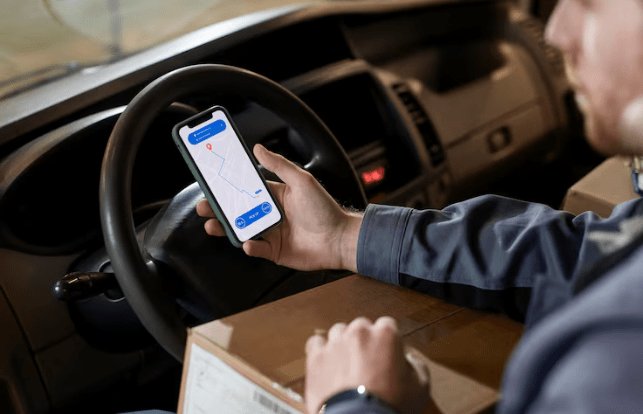
Speaking with drivers and reading recent reports reveals how similar the complaints are across continents. Both a delivery courier in Chicago and one in Beirut describe the same thing: an app that assigns tasks, determines compensation, and has the ability to abruptly stop receiving pay. Over one-third of gig workers surveyed by Human Rights Watch reported having been deactivated at least once, with errors accounting for nearly half of those instances. Imagine losing your job due to a software bug that no one cares to promptly fix.
Additionally, this story has a darker undertone that receives insufficient attention. While on a trip planned via the app, Apraham, a seasoned Uber driver in Beirut, was carjacked at knifepoint. The business told him it wasn’t accountable when he reported it. Uber had to file first, according to the police. No one moved. He had no insurance, no pension, no sick leave, only a car he had lost and a persistent fear.
It’s difficult to ignore the pattern here: businesses created systems that, in every significant way, resemble employment relationships, but then structured the legal documentation to evade the responsibilities that typically accompany them. Critics refer to it as “creative compliance.” Employees often refer to it as something blunter.
A third category between employee and contractor has been proposed by some lawmakers. According to legal experts, such as Sarah Levine in a recent essay published in the Yale Law Journal, this strategy essentially serves to legitimize the initial issue. While workers still lack the necessities—minimum wage guarantees, workers’ compensation, and a genuine say in how the algorithm treats them—it provides businesses with a legal shield.
It’s genuinely unclear if the model becomes unfeasible or just has to absorb additional expenses. Businesses have successfully navigated regulatory disputes in the past. However, courts, labor ministries, and international organizations negotiating the first global standards on platform work through the ILO are all exerting pressure at once. A single nation enacting a single law is not the same as that kind of squeeze.
There’s a feeling that the initial gig economy narrative—flexible work for those who desire it—was never wholly untrue. The freedom is valued by some employees. However, it was lacking, and incompleteness is currently catching up with the industry. As I watch this happen, it seems less like an abrupt collapse and more like a protracted, uneven reckoning that has finally come to the surface.
