
A picture of Michael Rapino leaving a federal courtroom in lower Manhattan in March with his head down and an expression that doesn’t reveal anything has gone viral in recent months. He was still officially a defendant in one of the biggest antitrust cases in the history of the live entertainment sector at that time. He reportedly had a meeting or phone conversation with the US President a few weeks prior. Then, quite unexpectedly, the case took on a new form.
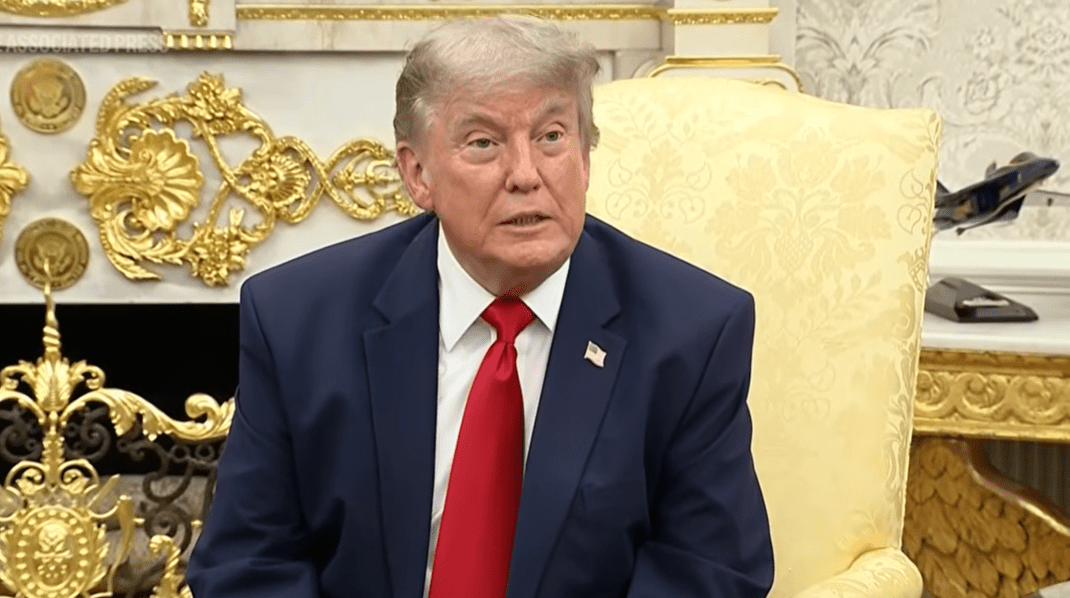
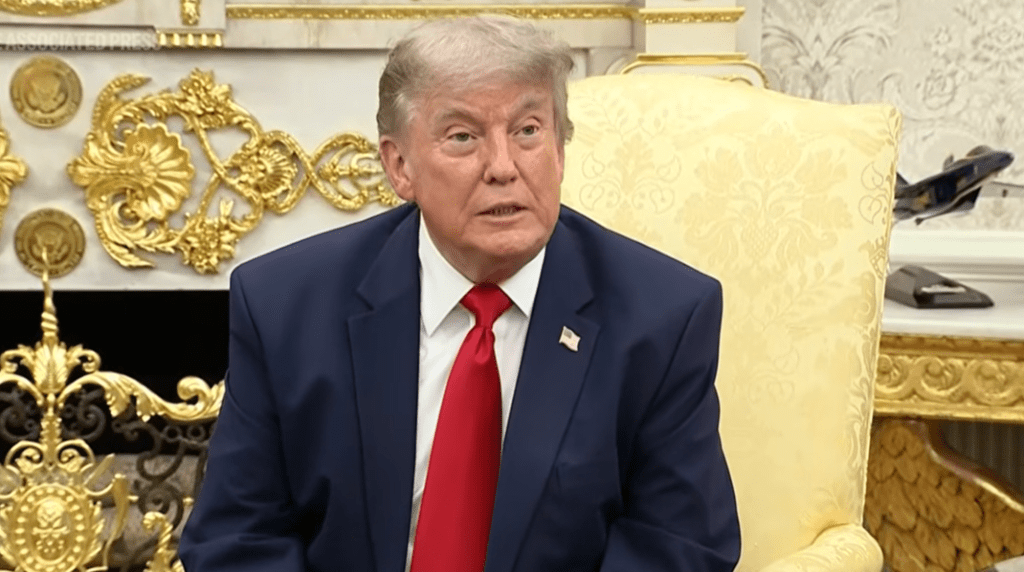
What had been rumored since the DOJ settlement was revealed in the middle of the trial was confirmed by a court document released on Monday: Trump and Rapino discussed issues pertaining to Live Nation’s operations in February 2026. The status of the DOJ lawsuit was raised, according to the filing, but the company maintains that no significant settlement terms were discussed. Legally, that distinction is important. It’s another matter entirely whether it matters in any larger sense.
The timeline’s coherence is difficult to ignore. The discussion took place in February. Gail Slater, the head of the antitrust division and a proponent of aggressive enforcement, was fired that same month. By March 5th, representatives from the White House counsel’s office, the attorney general’s office, the deputy attorney general’s office, and Live Nation were all in the same room finalizing a term sheet. The settlement was made public in court a few days later. The trial judge called the situation “mind boggling.” According to reports, the DOJ trial team presenting the case to the jury was unaware of the impending deal.
The terms of the settlement have drawn criticism from consumer advocacy groups. The terms of the agreement, which most state attorneys general deemed inadequate, required Ticketmaster to divest up to thirteen venues and cap service fees at certain amphitheaters. They persisted, and the jury concurred. The panel concluded that Live Nation and Ticketmaster had unlawfully maintained monopoly power after hearing testimony from dozens of witnesses over about five weeks. They concluded that concertgoers in plaintiff states had been overcharged by $1.72 per ticket as a direct result of anticompetitive behavior.
Live Nation has referred to the jury’s decision as “not the last word,” citing ongoing motions. In a strictly procedural sense, that might be true. In the end, the federal judge presiding over the case will determine whether the DOJ settlement is upheld and what remedies or damages result from the jury’s verdict. However, the verdict has already significantly changed the discourse. Following the settlement, a Justice Department official insisted that the terms for fans, artists, and venue owners were better than those from previous administrations. Legal observers are still debating whether that framing holds up when compared to the jury’s findings.
What remains is a more difficult process question. The White House counsel’s office’s participation in settlement talks is truly uncommon, and the revelation of a direct presidential discussion with a corporate defendant—even a quick, general one—conflicts with the DOJ’s purported independence. All inquiries were referred back to the Justice Department by the White House. For its part, the Justice Department stated that providing consumers with immediate relief was more important than taking a chance on years of additional litigation. That is a position that can be defended. Simply put, it doesn’t adequately explain how and when the settlement came to be.
