
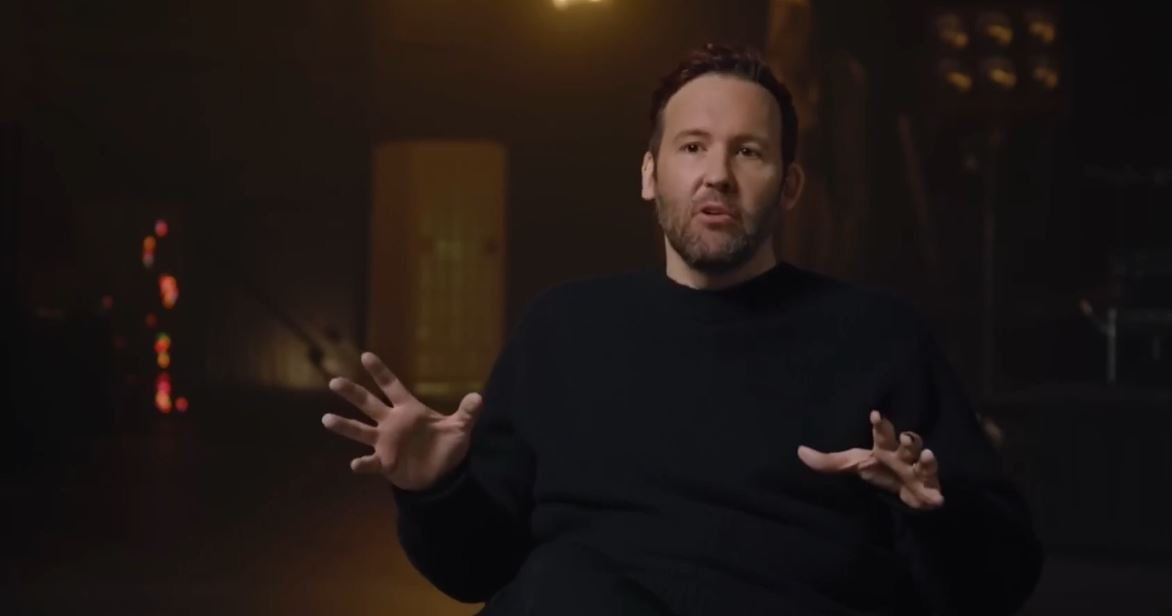
The case in court between Christopher Barrett, Bungie, and Sony Interactive Entertainment is over. Barrett confirmed the settlement on July 8 by saying on X that all three parties had agreed to end the lawsuit he had started, which was for at least $200 million. The financial details were not given. But there was one specific thing in the joint statement that said more than the numbers could have: Barrett was the original director of Marathon, and Bungie has added his name to the game’s credits.
Getting your credit back feels important. Barrett’s name was taken off the game he had directed when Marathon came out. It was taken off a project he had worked on for years. Getting it back is more than just a sign. The small but real recognition that the man who helped build that game from the ground up existed, was important, and had his part taken out of the record in an unfair way.
Barrett worked at Bungie for almost 25 years. That’s what he did. That’s what he did. He became one of the few studio veterans who had really earned the respect of the institution. Many people thought it was strange that he was fired so quickly in March 2024, while Marathon was still in its early stages. Sony used an internal investigation into Barrett’s text messages to female employees as an excuse. The lawyers for Barrett said that investigation was a fake.
The next legal document was clear and to the point. Barrett said Sony had planned a “premeditated scheme” to fire him and not pay him the bonuses he was owed under his employment contract. These bonuses were tied to Sony’s acquisition of Bungie for $3.6 billion in 2022. As part of that acquisition, about $1.2 billion was set aside to keep good employees. Barrett said he was owed more than $45 million in unpaid bonuses that were supposed to be given to him until 2026. The lawsuit said that his firing wasn’t a punishment but a way to save money that looked like a punishment.
In early 2025, Sony fought back hard. In its legal response, the company included parts of text messages Barrett had sent to female subordinates. These messages included references to wanting to be worshiped, requests to play “Truth or Dare,” and comments that, when read on their own, were at the very least uncomfortable. Barrett’s team said the messages were picked out and taken out of context. That argument was never fully settled in court.
The process for the case itself was rough. In December 2025, the Delaware Court of Chancery threw it out for lack of jurisdiction. This was just a technical decision and did not mean that the claims were true or false. Barrett filed again in January 2026 in Delaware Superior Court and asked for a trial by a jury. After a few months, it ended quietly with a settlement that didn’t say how much it cost and an update on the credits.
The timing is important to note. Bungie is going through one of the hardest times in its history right now. Sony just recently confirmed that a lot of people will be losing their jobs. This includes most of the remaining Destiny team and a number of Marathon developers. The studio’s staff has dropped dramatically. For the 2025 fiscal year, Sony wrote off $766 million worth of items that Bungie owned. No matter what happened in the Barrett lawsuit, it happened in a studio that was really in trouble.
No one outside the room knows if Barrett got the full $45 million he said he was owed or something else. One thing that is clear is that he said he was “very satisfied,” which is not a common way to talk about a partial loss. It’s also easy to forget about the credit repair, but it’s not nothing. This is the kind of agreement that usually happens when a settlement leans one way.
The broader story here may be less about Barrett specifically and more about what Sony’s acquisition of Bungie revealed about how studios handle the people they bought. A lot of money changed hands. A lot of vows were made. When things didn’t go as planned, some of those promises were called into question.
