


The way a lawsuit is dropped and then discreetly refiled a few weeks later is telling. Nothing to say. No justification. Just documents reappearing in a different courtroom. Shilo Sanders, a 26-year-old former Colorado safety and the middle son of coach Deion Sanders, essentially experienced that when the law firm Barnes & Thornburg LLP walked its federal case back out the door in late May, only to bring it back through a Texas state court door in Dallas County by mid-June.
The numbers involved aren’t enormous by NFL or celebrity legal standards. Around $170,000 in unpaid legal fees are being sought by Barnes & Thornburg, which claims to have rendered services related to Sanders’ other, much more significant legal disputes. Sanders, according to the new complaint, has received invoices and simply hasn’t paid. “Despite Mr. Sanders’s clear duty to pay the Outstanding Debt, he has refused to pay Plaintiff, and Mr. Sanders’s account remains unpaid.” Legal documents don’t just happen to contain that kind of wording.
The fact that the initial case was dismissed “without prejudice” is what makes the refiling noteworthy, not the amount. In legal terms, that’s the opposite of a clean break. A dismissal “with prejudice” would have suggested a settlement, a deal, some kind of resolution reached quietly between the parties. “Without prejudice” indicates that the door remained open, and it is obvious that Barnes & Thornburg planned to return through it. The fact that they specifically mentioned that significant events occurred in Dallas County and selected a state court in Dallas this time points to a strategic recalibration rather than a change of heart.
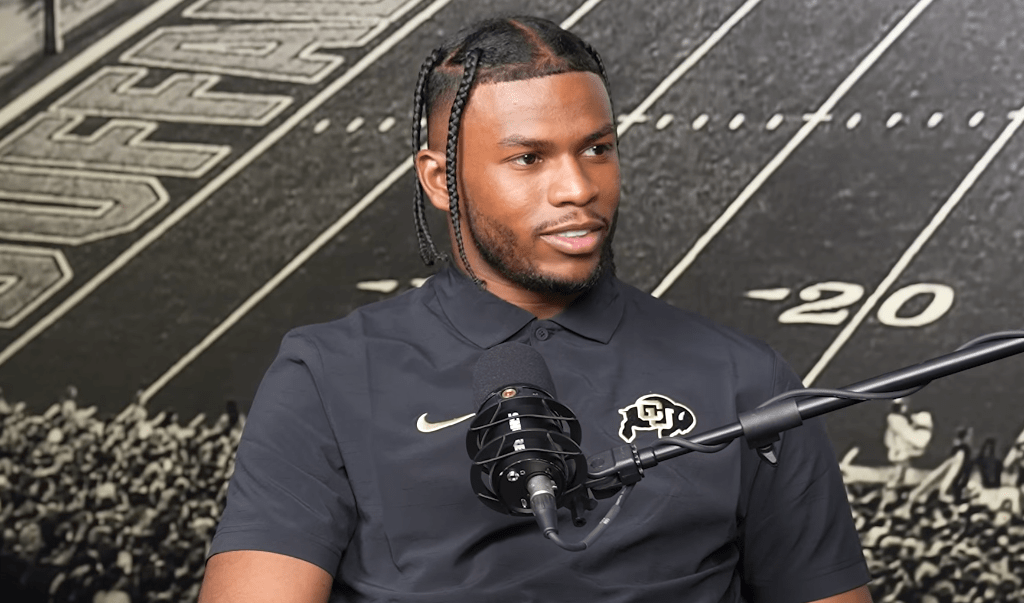
It’s difficult to examine any of this without considering the broader context of Shilo Sanders’ financial predicament, which has been making headlines for some time. In October 2023, he filed for Chapter 7 bankruptcy, and a staggering $11.89 million default judgment—the outcome of a lawsuit brought by a former high school security guard—is bearing down on that case. A person’s financial life could be defined for years by that judgment alone. In contrast, the $170,000 legal fee dispute is essentially a footnote, but footnotes tend to make things more complicated.
Another thread concerns a bankruptcy trustee who claimed in October that Shilo had improperly transferred funds through one of his businesses. His attorney, Keri Riley, has pushed back on that claim. When combined, these issues show someone juggling several legal fronts at once, which is difficult for a 26-year-old still pursuing a professional career. None of these issues have been settled amicably.
The firm may have preferred Dallas County over federal court for legal or jurisdictional reasons, in which case the refiling in state court may be merely procedural. This could also be an indication that Barnes & Thornburg became agitated while awaiting payment and chose to exert more direct pressure. Without a comment from the firm’s attorneys, it’s difficult to say with certainty. It is evident that a firm that dismisses a lawsuit “without prejudice” and then files it again weeks later doesn’t appear to be about to give up.
Shilo Sanders is still in the early stages of what should be a lengthy career, and because of the scrutiny that comes with being the son of Deion Sanders, not much happens in his immediate vicinity. Whether these legal battles represent a period of financial mismanagement, bad timing, or something else entirely, they keep resurfacing — much like the lawsuit itself. As of right now, the case is still pending in a Dallas County court, Shilo Sanders has the next move, and the complaint states that the bills are still outstanding.
