


There’s something quietly unsettling about a ruling where the judge openly agrees that the defendant’s conduct was “indisputably odious” — and then throws the case out anyway. On June 15, singer Dawn Richard’s lawsuit against Sean “Diddy” Combs was largely dismissed by U.S. District Judge Katherine Polk Failla. Not because her claims lacked weight. But because, in the eyes of the law, they came too late.
In September 2024, Richard filed her lawsuit. Richard gained notoriety as a member of Danity Kane, the girl group Combs put together through the MTV competition series “Making the Band”. She detailed almost ten years of alleged abuse in it, including unwelcome physical contact, a hostile workplace, earnings withholding, manipulation, and seeing Combs physically abuse other women. She later joined Diddy-Dirty Money, another group connected to Combs, and claimed that the pattern persisted there as well.
The judge’s ruling didn’t dispute what Richard says happened. When she decided to say it, it was contested. The decision stated that the behavior at the heart of Richard’s allegations stopped in 2011 or 2012. By the time she filed in 2024, most of those claims had already aged past their legal expiration dates. Failla wrote plainly that Richard “does not allege that Mr. Combs committed any tortious conduct against her again in the 12 or 13 years before she filed suit.” The math wasn’t in her favor.
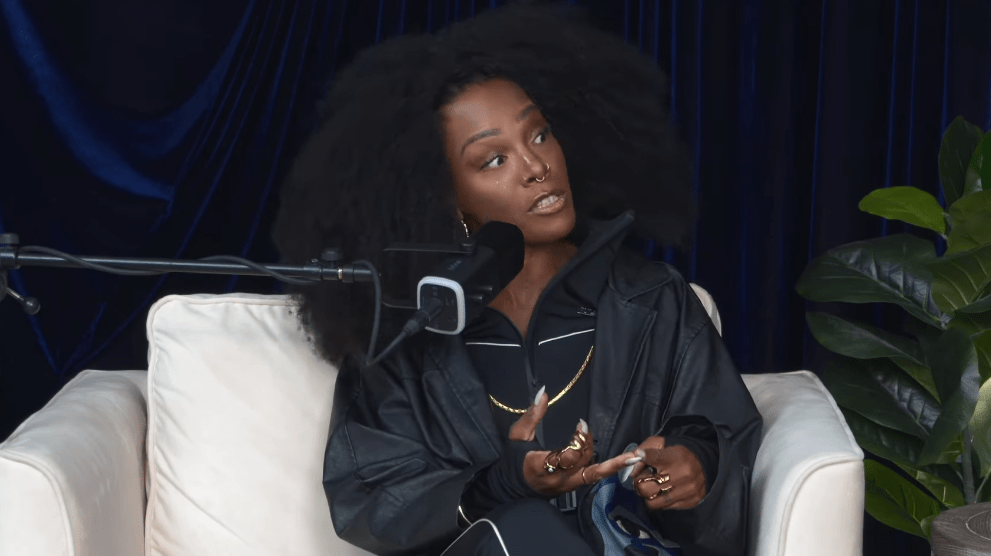
It’s worth taking a moment to consider that. Timelines are just as important to the legal system as the truth. There are valid reasons for statutes of limitations, such as the fading of memories, the disappearance of evidence, and the inaccessibility of witnesses. However, those same timelines can feel like a second barrier survivors must overcome before they are even heard in cases involving abuse, especially in entertainment settings built on power disparities and intimidation. On the facts, Richard’s case was successful. On the clock, it failed.
However, the dismissal was not complete. One count — alleging Combs violated the New York City Gender-Motivated Violence Act — was tossed without prejudice. That is a significant legal distinction. This implies that Richard’s legal team has the option to refile that particular claim in state court, and they have already made it clear that they plan to do so. The team is “encouraged” and eager to pursue the gender-motivated violence claim in New York City’s state court system, which the judge’s decision essentially directed them toward, according to her lawyer, Arick Fudali.
The Gender-Motivated Violence Act is worth understanding here. New York City created it specifically to give survivors legal avenues when the standard court pathways fall short. A two-year lookback window was established by the City Council in 2022, providing qualifying claims with a brief exemption from the statute of limitations. This type of legislation is in place because, on its own, the system occasionally closes doors before people feel secure enough to enter.
Meanwhile, Combs is still behind bars. In contrast to the racketeering charges that many observers anticipated would characterize his trial, he was found guilty in 2025 on two counts of transportation to engage in prostitution. That acquittal on the most serious counts, combined with this civil dismissal, gives his legal team two back-to-back moments they’ll frame as vindication. The public’s perception of that framing is a completely different matter.
There’s a sense, watching this case unfold, that Dawn Richard’s legal fight is far from finished — it’s just relocating. On Friday, the federal door was essentially closed. For at least one claim, the state court door is still open. It’s still unclear if that route will lead in a different direction. However, Richard’s legal team seems determined to learn the truth.
